
 EN
EN DE
DE IT
IT FR
FR ES
ES RU
RU JP
JP RO
RO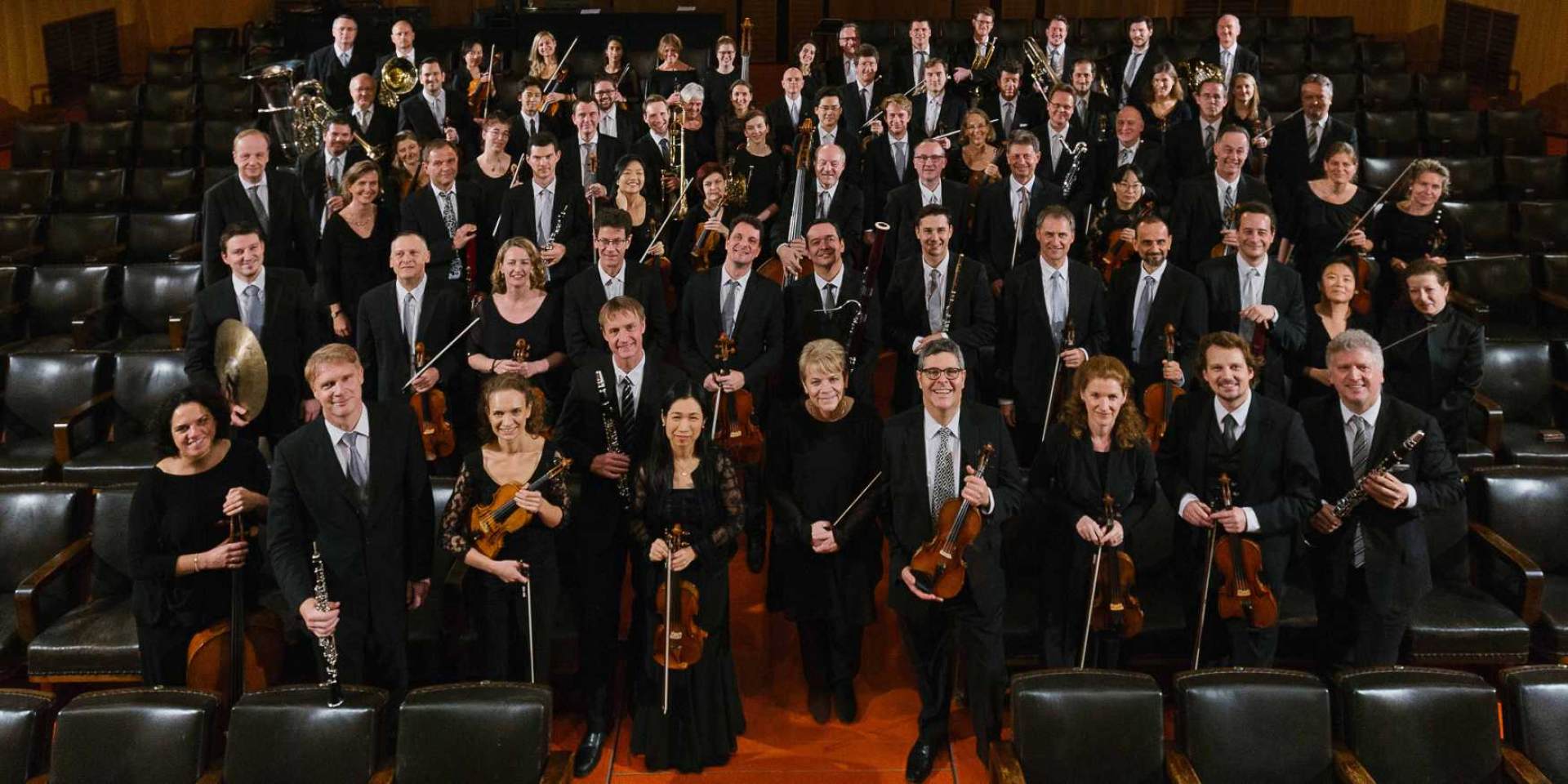
© Theresa Wey
ORF RSO Symphony Vienna
Order tickets
 October 2027 October 2027 | ||||||
|---|---|---|---|---|---|---|
Mo | Tu | We | Th | Fr | Sa | Su |
Program and cast
Friday, March 27, 2026 – Great Hall | 7:30 PM
ORF Vienna Radio Symphony Orchestra
Maxime Pascal, conductor
Othman Louati, co-conductor (Chaya Czernowin: NO!)
Sofia Jernberg, soprano
Keren Motseri, soprano
Program
Claude Debussy – Prélude à l’après-midi d’un faune. Eclogue for orchestra after Mallarmé (“The Afternoon of a Faun”)
Chaya Czernowin – NO! (Austrian premiere)
Intermission
Nikolai Rimsky-Korsakov – Scheherazade. Symphonic suite from “One Thousand and One Nights”, op. 35
End approx. 9:30 PM
Saturday, April 11, 2026 – Great Hall | 7:30 PM
ORF Vienna Radio Symphony Orchestra
Singverein of the Society of Friends of Music in Vienna
Elim Chan, conductor
Alexander Vinogradov, bass
Program
Dmitri Shostakovich – Hamlet, op. 116; excerpts from the film music
Hector Berlioz – Tristia, op. 18
Intermission
Dmitri Shostakovich – Symphony No. 13, op. 113, “Babi Yar”
End approx. 9:30 PM
Friday, May 22, 2026 – Great Hall | 7:30 PM
ORF Vienna Radio Symphony Orchestra
Thomas Adès, conductor
Nicolas Altstaedt, cello
Dénes Várjon, piano
Program
Charles Ives – The Unanswered Question
György Kurtág – Double Concerto for piano, cello and two chamber ensembles, op. 27/2
Intermission
Thomas Adès – Lieux retrouvés (version for cello and orchestra)
Pyotr Ilyich Tchaikovsky – Francesca da Rimini. Symphonic poem, op. 32 (fantasy after Dante)
End approx. 9:30 PM
Saturday, October 3, 2026 – Great Hall | 7:00 PM
ORF Vienna Radio Symphony Orchestra
Markus Poschner, conductor and host
Program
Poschner’s Milestones
Dmitri Shostakovich – Symphony No. 9 in E-flat major, op. 70
End approx. 8:00 PM
Thursday, November 5, 2026 – Great Hall | 7:30 PM
ORF Vienna Radio Symphony Orchestra
Ingo Metzmacher, conductor
Tabea Zimmermann, viola
Program
Felix Mendelssohn Bartholdy – Overture to “A Midsummer Night’s Dream”, op. 21
Egon Wellesz – Prospero’s Incantations. Five symphonic pieces after Shakespeare’s The Tempest, op. 53
Intermission
Hector Berlioz – Harold in Italy. Symphony in four movements, op. 16
End approx. 9:45 PM
Friday, December 4, 2026 – Great Hall | 7:30 PM
ORF Vienna Radio Symphony Orchestra
Markus Poschner, conductor
Sarah Wegener, soprano
Rafael Fingerlos, baritone
Program
Emilie Mayer – Symphony No. 7 in F minor
Intermission
Alexander Zemlinsky – Lyric Symphony in seven songs after poems by Rabindranath Tagore for soprano, baritone and orchestra, op. 18
End approx. 9:30 PM
Thursday, March 18, 2027 – Great Hall | 7:30 PM
ORF Vienna Radio Symphony Orchestra
Maxime Pascal, conductor
Jess Gillam, alto saxophone
Program
Bernd Alois Zimmermann – Musique pour les soupers du Roi Ubu
Claude Debussy – Rhapsody for alto saxophone and orchestra
Intermission
Igor Stravinsky – The Firebird, ballet version (1910)
End approx. 9:30 PM
Thursday, April 15, 2027 – Great Hall | 7:30 PM
ORF Vienna Radio Symphony Orchestra
Markus Poschner, conductor
Edgar Moreau, cello
Program
Édouard Lalo – Overture to Le Roi d’Ys; Cello Concerto in D minor, op. 20
Intermission
Paul Hindemith – Symphony Mathis der Maler
End approx. 9:30 PM
Tuesday, May 4, 2027 – Great Hall | 7:00 PM
ORF Vienna Radio Symphony Orchestra
Markus Poschner, conductor and host
Program
Poschner’s Milestones
Béla Bartók – Concerto for Orchestra, Sz 116
End approx. 8:15 PM
Thursday, June 3, 2027 – Great Hall | 7:30 PM
ORF Vienna Radio Symphony Orchestra
Marta Gardolińska, conductor
Alexander Malofeev, piano
Program
Grażyna Bacewicz – Musica sinfonica in tre movimenti
Camille Saint-Saëns – Piano Concerto No. 2 in G minor, op. 22
Intermission
Edward Elgar – Variations on an Original Theme (“Enigma”), op. 36
End approx. 9:30 PM
Friday, June 25, 2027 – Great Hall | 7:30 PM
ORF Vienna Radio Symphony Orchestra
Students of the mdw
Program
Conducting diploma examination of the mdw
Conductors and program to be announced at a later date
End approx. 10:00 PM
Musikverein Golden Hall
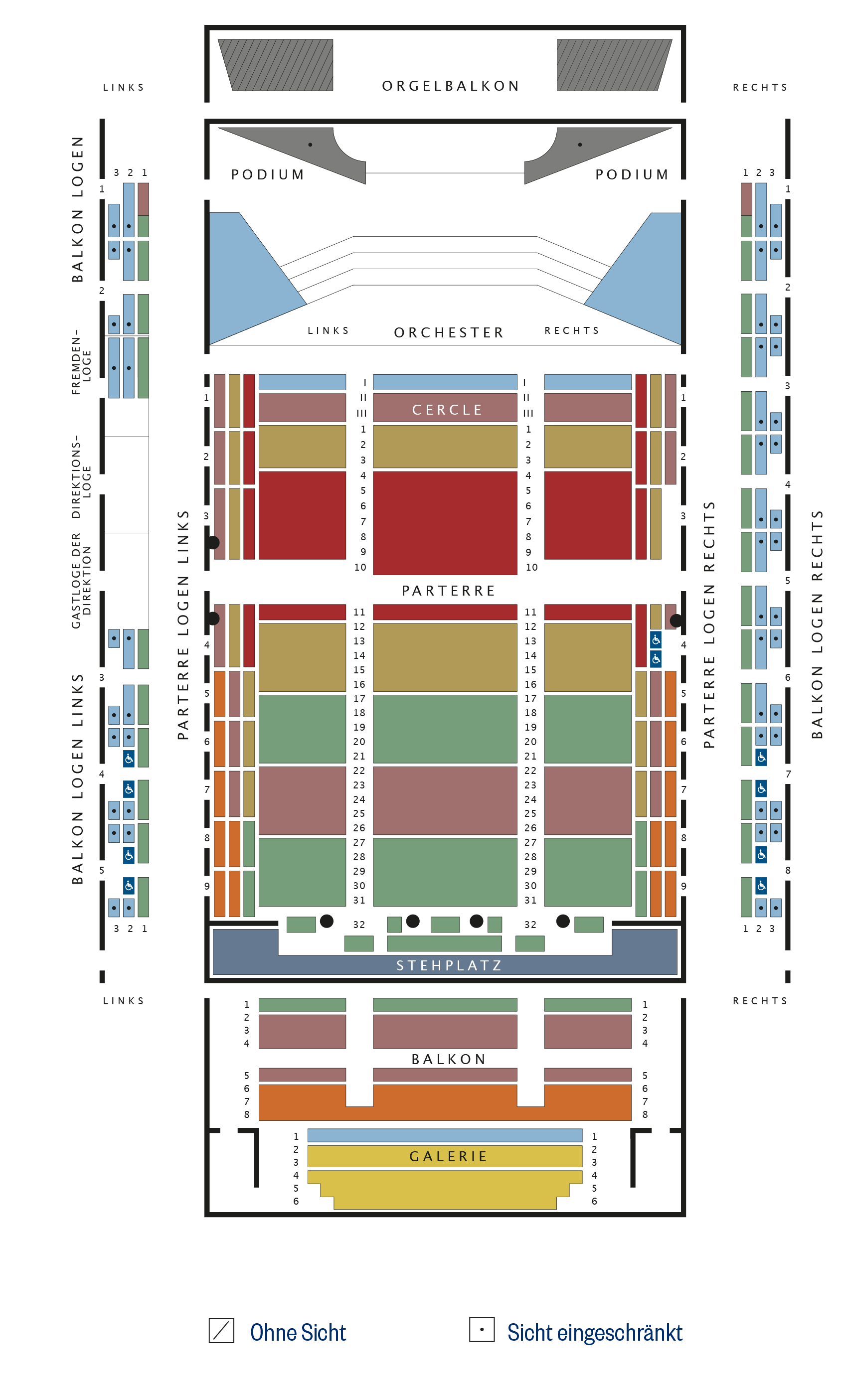
This building is located on Dumbastraße/Bösendorferstraße behind the Hotel Imperial near the Ringstraße boulevard and the Wien River, between Bösendorferstraße and Karlsplatz. However, since Bösendorferstraße is a relatively small street, the building is better known as being between Karlsplatz and Kärntner Ring (part of Ringstraße loop). It was erected as the new concert hall run by the Gesellschaft der Musikfreunde, on a piece of land provided by Emperor Franz Joseph I of Austria in 1863. The plans were designed by Danish architect Theophil Hansen in the Neoclassical style of an ancient Greek temple, including a concert hall as well as a smaller chamber music hall. The building was inaugurated on 6 January, 1870. A major donor was Nikolaus Dumba whose name the Austrian government gave to one of the streets surrounding the Musikverein.
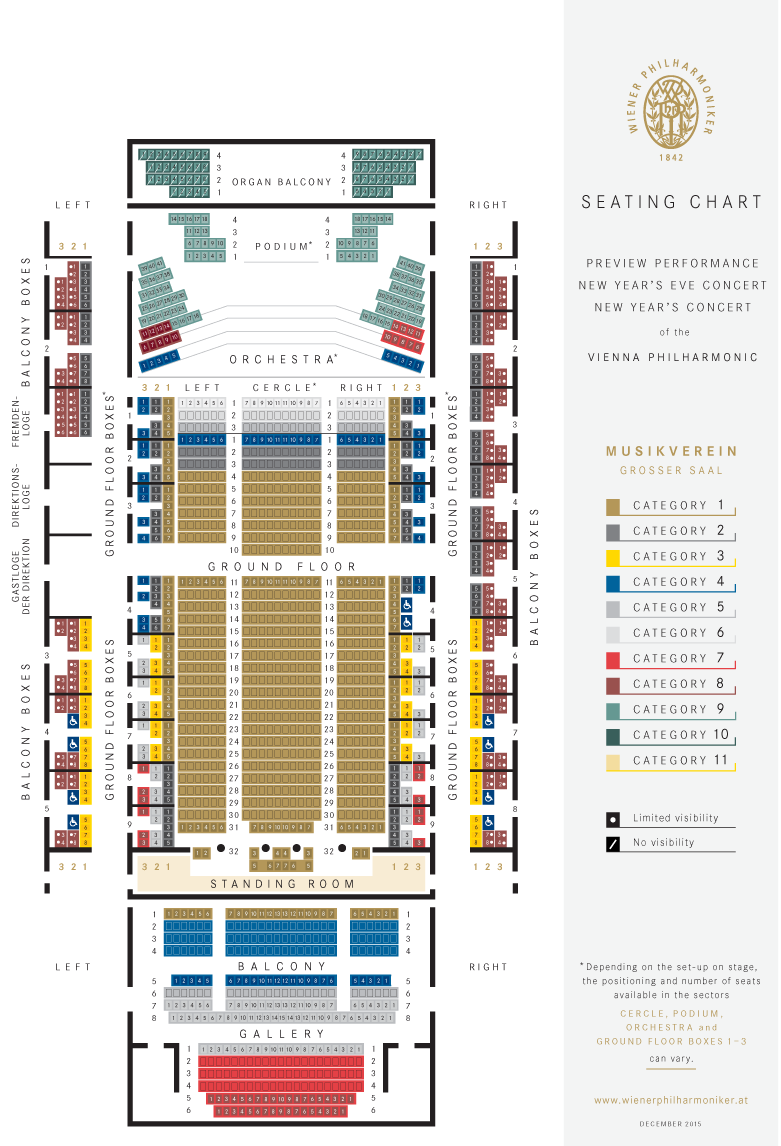
Great Hall - Golden Hall
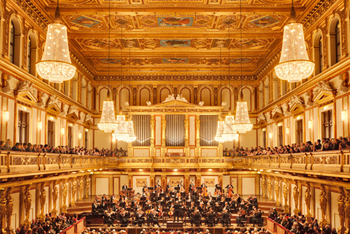 “As high as any expectations could be, they would still be exceeded by the first impression of the hall which displays an architectural beauty and a stylish splendour making it the only one of its kind.” This was the reaction of the press to the opening of the new Musikverein building and the first concert in the Großer Musikvereinssaal on 6 January 1870.
The impression must have been overwhelming – so overwhelming that Vienna’s leading critic, Eduard Hanslick, irritatingly brought up the question of whether this Großer Musikvereinssaal “was not too sparkling and magnificent for a concert hall”. “From all sides spring gold and colours.”
Brahms Hall
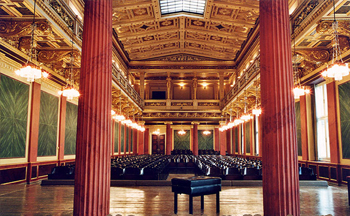 "In order not to promise too much it can be said that it has been made into the most beautiful, most magnificent, perfect example of a chamber concert hall that any of us knows in the world.” This was the reaction of a Vienna daily newspaper in October 1993 as the Brahms-Saal was presented to the public after extensive renovation work.
The surprise was perfect. It was a completely new hall. In contrast to the Grosse Musikvereinssaal, the Brahms-Saal had changed its appearance quite considerably over the years. When and how it acquired that slightly melancholy duskiness that was known to music lovers before 1993 cannot be precisely documented.
Glass Hall
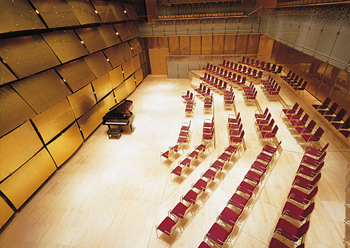 As a venue for events from concerts to luxury banquets, the Glass Hall / Magna Auditorium is not only the largest of the Musikverein's 4 new halls but also the most flexible in terms of usage.
Hub podiums enable the smooth transformation of the concert hall into a conference centre, the cinema into a ballroom, or the stage into a catwalk. State-of-the-art equipment for sound, lighting, video and widescreen digital projection provide the ideal conditions for half-scenic productions.
The Glass Hall / Magna Auditorium was designed by the Viennese architect Wilhelm Holzbauer. With a height of 8 metres, the hall (including the gallery) can play host to up to 380 visitors.


Related events