Cast
12 and 14 April 2026
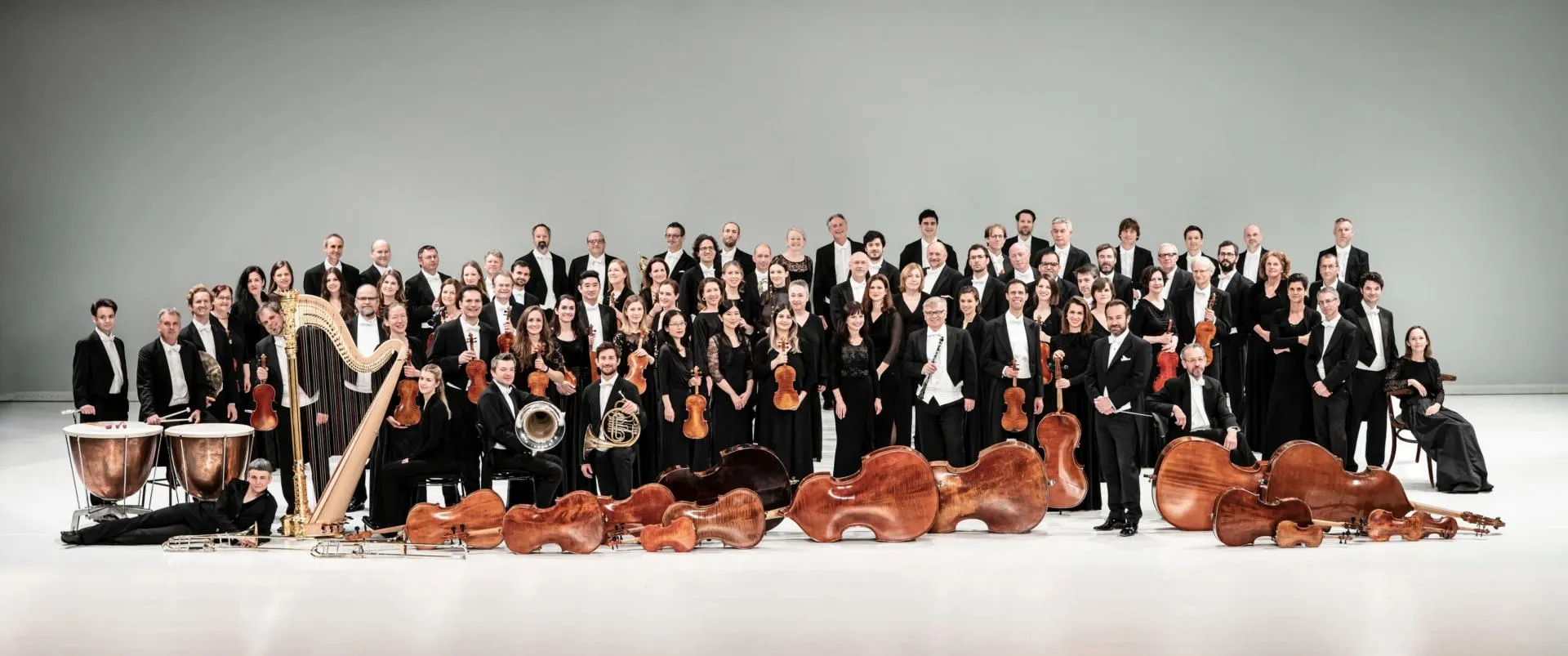
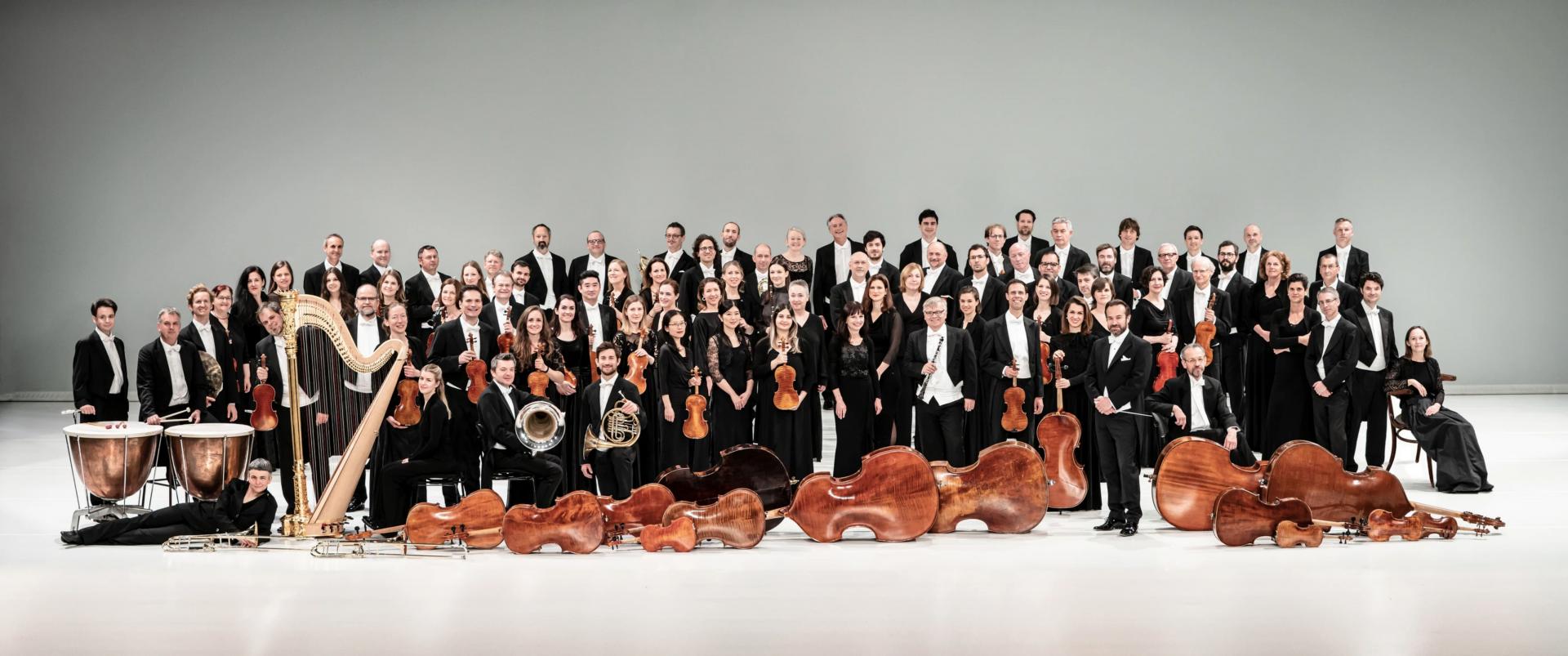
Tonkünstler-Orchester Niederösterreich
Hans Graf, Conductor
Ziyu He, Violin
Program
Sergei Rachmaninoff
Symphony No. 1 in D minor, Op. 13
Paul Hindemith
Violin Concerto
– Intermission –
Sergei Rachmaninoff
Symphony No. 3 in A minor, Op. 44
3 and 5 May 2026
Tonkünstler-Orchester Niederösterreich
Jun Märkl, Conductor
Alexander Gavrylyuk, Piano
Program
Richard Strauss
Dance Suite after Keyboard Pieces by François Couperin, AV 107
Burlesque for Piano and Orchestra in D minor, O.Op., AV 85
– Intermission –
Richard Strauss
Also sprach Zarathustra. Tone Poem freely based on Friedrich Nietzsche for large orchestra, Op. 30
7 May 2026
Tonkünstler-Orchester Niederösterreich
Fabien Gabel, Conductor
Albert Hosp, Moderator
Program
Joseph Marx
Symphonic Night Music
15 and 17 May 2026
Tonkünstler-Orchester Niederösterreich
Czech Philharmonic Choir Brno
Yutaka Sado, Conductor
Aleksandra Szmyd, Soprano
Anja Mittermüller, Mezzo-soprano
Attilio Glaser, Tenor
Edwin Crossley-Mercer, Bass
Program
Anton Bruckner
Symphony in D minor, "Zero"
– Intermission –
Anton Bruckner
Christus factus est. Sacred Motet for Mixed Choir a cappella
Te Deum for Soli, Mixed Choir, Organ, and Orchestra in C major
28 May 2026
Tonkünstler-Orchester Niederösterreich
Fabien Gabel, Conductor
Sirba Octet
Alexei Birioukov, Balalaika
Program
The exact program will be announced at a later date.
5 and 7 June 2026
Tonkünstler-Orchester Niederösterreich
Fabien Gabel, Conductor
Marc-André Hamelin, Piano
Program
Joseph Marx
Romantic Piano Concerto in E major
– Intermission –
Johannes Brahms
Symphony No. 4 in E minor, Op. 98
27, 29 SEPTEMBER 2026
INTERPRETERS
Tonkünstler Orchestra of Lower Austria
Singing association of the Society of Music Friends in Vienna
Fabien Gabel, conductor
Elsa Benoit, Soprano
Sasha Cooke, mezzo-soprano
Maximilian Schmitt, Tenor
PROGRAM
Claude Debussy
Pelléas and Mélisande. Concert suite; edited by Alain Altinoglu
Maurice Ravel
Shehérazade. Song cycle for soprano and orchestra
– Break –
Gustav Mahler
The complaining song. Cantata for solos, mixed choir and orchestra; revised 1899 version in two movements
19. OCTOBER 2026
Tonkünstler Orchestra of Lower Austria
Lorenz C. Aichner, conductor
Herbert Pixner, Diatonic harmonica, clarinet, trumpet, flugelhorn, euphonium, saxophone, lamellophone
Elisabeth Jamnik, Harp
Manuel Randi, Guitars
Werner Unterlercher, double bass
Max Castlunger, Percussion
Mario Punzi, Drums
PROGRAM
The program will be announced at a later date.
23 OKTOBER 2026
INTERPRETERS
Tonkünstler Orchestra of Lower Austria
Ana María Patiño-Osorio, conductor
Albert Hosp, Moderation
PROGRAM
Robert Schumann
Symphony No. 3 in E-E-s. 97, "Rhenish"
30. OCTOBER 2026
INTERPRETERS
Tonkünstler Orchestra of Lower Austria
Andreas Ottensamer, conductor
Barnabás Kelemen, Violin
PROGRAM
Zoltán Kodály
Galántai táncok (Dances from Galanta)
Béla Bartók
Concerto for Violin and Orchestra No. 1, Sz 36, op. posth.
– Break –
Franz Schubert
Symphony No. 8 in C major, D 944, "Great C major Symphony"
1. NOVEMBER 2026
INTERPRETERS
Sound Artist Orchestra Lower Austria
Andreas Ottensamer, conductor
Barnabás Kelemen, Violin
PROGRAM
Zoltán Kodály
Galántai táncok (Dances from Galanta)
Béla Bartók
Concerto for Violin and Orchestra No. 1, Sz 36, op. posth.
– Break –
Franz Schubert
Symphony No. 8 in C major, D 944, "Great C major Symphony"
13, 15, 28 and 29 NOVEMBER 2026
INTERPRETERS
Sound Artist Orchestra Lower Austria
Fabien Gabel, conductor
Anastasia Kobekina, cello
PROGRAM
Johannes Brahms
Academic Festive Overture in C minor, op. 80
Robert Schumann
Concerto for cello and orchestra in A minor, op. 129
– Break –
Richard Strauss
Suite from the opera "Der Rosenkavalier", AV 145
Maurice Ravel
The Valse. Choreographic Poem
18 and 20 DECEMBER 2026
INTERPRETERS
Tonkünstler Orchestra of Lower Austria
Jun Märkl, conductor
Lucas Jussen, piano
Arthur Jussen, piano
PROGRAM
Camille Saint-Saëns
Orient and West. Grande Marche, op. 25
Fazıl Say
Anka kuşu ("Phoenix"). Concerto for piano to four hands and orchestra, op. 97
– Break –
Peter Ilyich Tchaikovsky
Swan Lake. Balletsuite, op. 20a
26. JANUARY 2027
INTERPRETERS
Sound Artist Orchestra Lower Austria
Fabien Gabel, conductor
Albert Hosp, Moderation
PROGRAM
Joseph Haydn
Symphony in E-D, Hob. I:99
14, 16 FEBRUARY 2027
INTERPRETERS
Sound Artist Orchestra Lower Austria
Yutaka Sado, Conductor
Lawrence Power, Viola
PROGRAM
Ludwig van Beethoven
Overture to Goethe's tragedy “Egmont”, op. 84
Magnus Lindberg
Concerto for Viola and Orchestra (Austrian Premiere)
– Break –
Ludwig van Beethoven
Symphony No. 1 in C mal, op. 21
23. FEBRUARY 2027
INTERPRETERS
Sound Artist Orchestra Lower Austria
Fabien Gabel, conductor
Myles Sanko, Vocals
Ric Elsworth, Drums
Tom O'Grady, piano
Jon Mapp, electric bass
PROGRAM
The program will be announced at a later date.
5, 7 MARCH 2027
INTERPRETERS
Sound Artist Orchestra Lower Austria
Christian Arming, conductor
Simone Lamsma, Violin
PROGRAM
Peter Ilyich Tchaikovsky
Concerto for Violin and Orchestra in D Fior, op. 35
Bedřich Smetana
Šárka. Symphonic poetry from the cycle "Mein Vaterland"
– Break –
Leoš Janáček
Tara's Bulba. Rhapsody for orchestra based on a saga edited by Nikolaj W. Gogol
20, 21 MARCH 2027
INTERPRETERS
Sound Artist Orchestra Lower Austria
Fabien Gabel, conductor
Javier Perianes, Piano
PROGRAM
Ludwig van Beethoven
Concerto for Piano and Orchestra No. 5 In E-fl, Op. 73
Franz Schreker
Prelude to a drama
– Break –
Erich Wolfgang Korngold
The Sea Hawk Suite for Orchestra; edited by Patrick Russ
4, 6 and 9 APRIL 2027
INTERPRETERS
Sound Artist Orchestra Lower Austria
Fabien Gabel, conductor
Xavier de Maistre, Harp
PROGRAM
Igor Stravinsky
Fireworks. Fantasy for large orchestra, op. 4
Alexander Wassilevich Mosolov
Concert for harp and orchestra
– Break –
Paul Dukas
The sorcerer's apprentice. Symphonic Scherzo after a ballad by Johann Wolfgang von Goethe (“L'apprenti sorcier”)
Foreplay to the 3. Act of the opera "Ariane et Barbe-bleue"
Maurice Ravel
Daphne and Chloe. Suite No. 2
18. APRIL 2027
INTERPRETERS
Sound Artist Orchestra Lower Austria
Nuno Coelho, Conductor
Cédric Tiberghien, piano
PROGRAM
Ludwig van Beethoven
Concerto for Piano and Orchestra No. 3 in C minor, op. 37
– Break –
Dmitry Shostakovych
Symphony No. 10 in E minor, op. 93
29. APRIL 2027
INTERPRETERS
Sound Artist Orchestra Lower Austria
Guest Waltzing, conductor
Daoirí Farrell, Vocals
Mark Redmond, Uilleann Pipes
PROGRAM
The program will be announced at a later date.
23, 25 MAY 2027
INTERPRETERS
Sound Artist Orchestra Lower Austria
Tomáš Netopil, conductor
Fedor Rudin, Violin
PROGRAM
Johann Sebastian Bach
Ricercare à 6. No. 5 from the "Musical Sacrifice", BWV 1079; instrumented by Anton Webern
Dmitry Shostakovych
Concerto for Violin and Orchestra No. 2 C minor, op. 129
– Break –
Felix Mendelssohn Bartholdy
Symphony No. 5 in D minor, op. 107, "Reformation Symphony"
6 and 8 JUNE 2027
INTERPRETERS
Sound Artist Orchestra Lower Austria
Domingo Hindoyan, conductor
James Ehnes, Violin
PROGRAM
Jörg Widmann
Con brio. Concert overture for orchestra
Felix Mendelssohn Bartholdy
Concerto for Violin and Orchestra in E minor, op. 64
– Break –
Ludwig van Beethoven
Symphony No. 5 in C minor, op. 67
 en
en 
 de
de it
it fr
fr es
es ru
ru jp
jp ro
ro







 Musikverein Golden Hall
 Fri 23 Oct 2026 - Tue 08 Jun 2027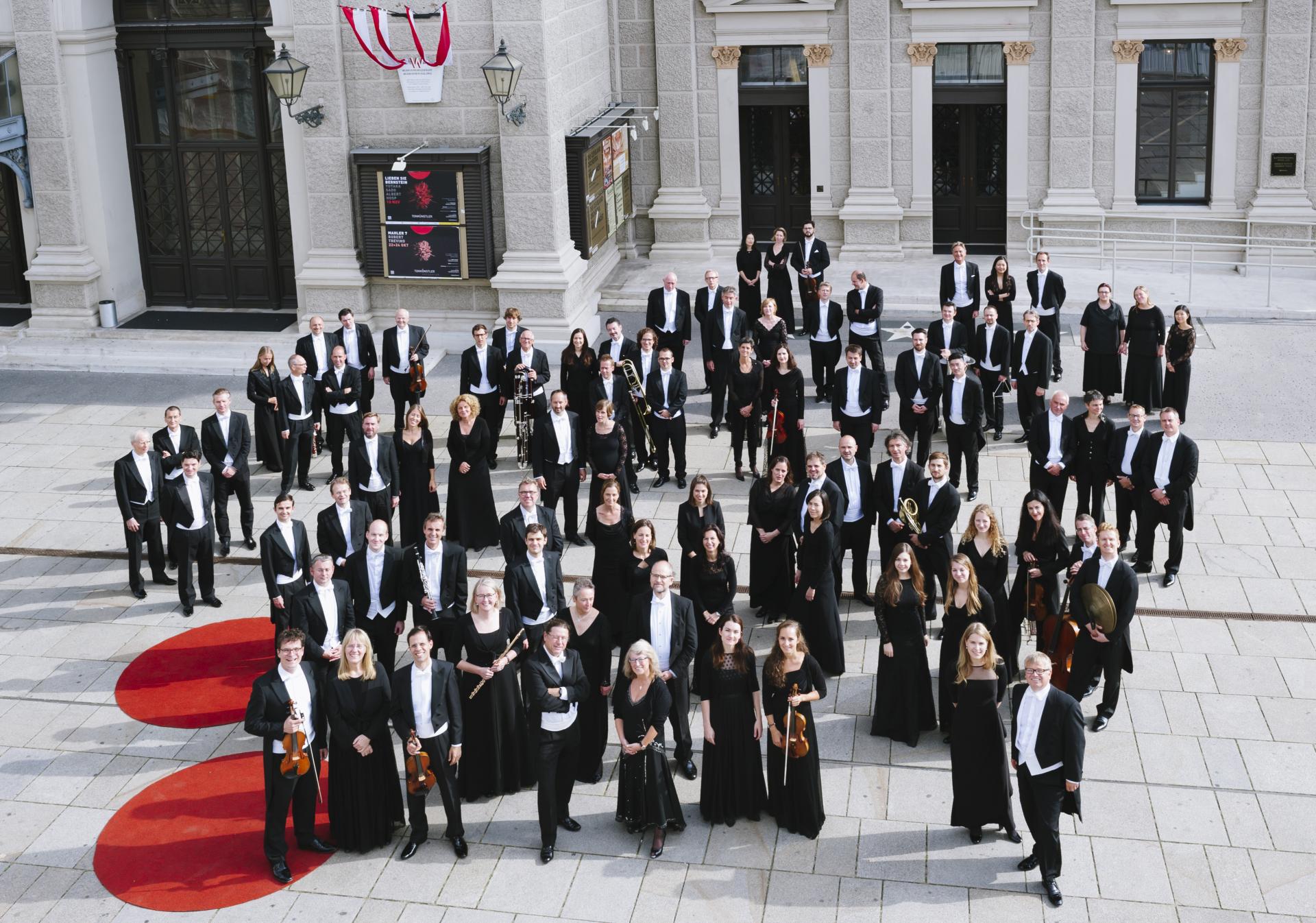
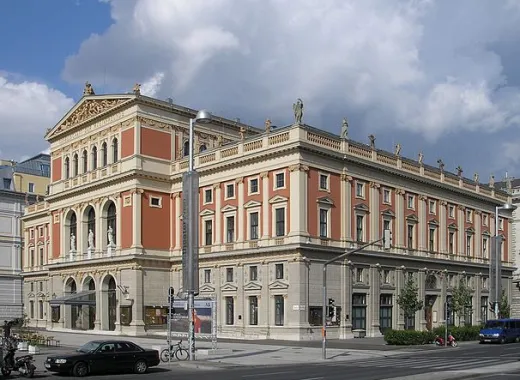
 “As high as any expectations could be, they would still be exceeded by the first impression of the hall which displays an architectural beauty and a stylish splendour making it the only one of its kind.” This was the reaction of the press to the opening of the new Musikverein building and the first concert in the Großer Musikvereinssaal on 6 January 1870.
 "In order not to promise too much it can be said that it has been made into the most beautiful, most magnificent, perfect example of a chamber concert hall that any of us knows in the world.” This was the reaction of a Vienna daily newspaper in October 1993 as the Brahms-Saal was presented to the public after extensive renovation work.
 As a venue for events from concerts to luxury banquets, the Glass Hall / Magna Auditorium is not only the largest of the Musikverein's 4 new halls but also the most flexible in terms of usage.


 RM EUROPA TICKET GmbH
 Call now
 Book now