Cast
23 April 2026
Interpreter
Ensemble Wien
Daniel Froschauer , Violine
Raimund Lissy , Violine
Michael Strasser , Viola
Michael Bladerer , Kontrabass
Program
Franz Schubert
Galop and eight Ecossaises, D 735; arranged by Heinrich W. Pek
Graz Galopp, D 925; arranged for four strings by Heinrich W. Pek
Joseph Haydn
String Quartet in A-Major, Hob. III:24
Werner Pirchner
Emigrant Symphony, PWV 23
Mozart and Schubert
The logical consequence of marching
An emigrant – has lost himself – in this symphony
– Pause –
Joseph Lanner
The Mozartists. Waltzes, Op. 196; arranged by Martin Bjelik
Franz Schubert
String Quartet in G minor, D 173
Ends approx. 8:30 p.m.
1 June 2026
Interpreter
Ensemble Wien
Daniel Froschauer , Violine
Raimund Lissy , Violine
Michael Strasser , Viola
Michael Bladerer , Kontrabass
Program
Wolfgang Amadeus Mozart
Divertimento in B flat major, KV 137
Anna von Stubenberg-Buttler-Zichy
Uhlan March, op. 4/1; arranged by Raimund Lissy
Johann Strauss Sr.
Viennese Waltz of Comfort, op. 116
August Lanner
Sperl Polka, op. 2; arranged by Heinrich W. Pek
Johann Strauss Sr.
Sperl Galopp, op. 42; arranged by Raimund Lissy
Joseph Lanner
The Advertisers. Waltz, op. 103; arranged by Alexander Weinmann
– Pause –
Johann Strauss Jr.
Donauweibchen (Danube Wench). Waltz, op. 427; arranged by Raimund Lissy
Josefine Weinlich
Siren Songs. Polka Mazurka, Op. 13; arranged by Raimund Lissy
Joseph Lanner
Nymph Galoppe, op. 153; arranged by Heinrich W. Pek
Mermaid Dances, Op. 198
Constanze Geiger
Nandl Polka, op. 22[b]; arranged by Raimund Lissy
Johann Strauss Jr.
Artist's Life. Waltz, op. 316; arranged by Heinrich W. Pek
Ends approx. 8:30 p.m.
SATURDAY, 19. SEPTEMBER 2026
PROGRAM
Johann Strauss Son
Overture to the operetta "The Bat"; arranged by Martin Bjelik
Joseph Lanner
New Wiener Ländler, op. 1
Johann Strauss Father
Viennese fruits. Waltz, op. 167; arranged by Werner Thomas-Mifune
Joseph Haydn
String Quartet in D minor, Hob. III:22
– Break –
Franz von Suppè
Overture to the folk play "One morning, one noon, one evening in Vienna"; arranged by Heinrich W. Pek
Carl Michael Ziehrer
Ur-Wiener!. Polka, op. 371; arranged by Heinrich W. Pek
Josefine Weinlich
Josefinen Polka; arranged by Raimund Lissy
Franz Lehár
Gold and Silver. Waltz, op. 79; arranged by Heinrich W. Pek
Johann Strauss Son
Albion-Polka, op. 102
Wine, woman and song. Waltz, op. 333
Éljen a Magyár. Polka schnell, op. 332; arranged by Heinrich W. Pek
End approx. 8:30 PM
TUESDAY, 8. DECEMBER 2026
INTERPRETERS
Ensemble Vienna
Raphael Flieder, cello
Maximilian Flieder, piano
PROGRAM
Joseph Lanner
The Mozartists. Waltz, op. 196; arranged by Martin Bjelik
Emilie Mayer
Piano Quartet in Es
– Break –
Georg Breinschmid
Waltz (premise)
Gioacchino Rossini
Sonata for strings No. 1 in G for
Peter Ilyich Tchaikovsky
Allegro C minor for piano and string quintet
Joaquín Turina
The Annunciation, op. 27, Aparición del Arcangel é Intermedio
End approx. 8:30 PM
TUESDAY, 16. MARCH 2027
INTERPRETERS
Ensemble Vienna
Nicole Lubinger, Soprano
PROGRAM
JOSEF STRAUSS FOR THE 200TH Birthday
Wolfgang Amadeus Mozart
Overture to the opera "Le nozze di Figaro", KV 492; arrangement for string quartet from 1805
Josef Strauss
Joy greetings. Waltz, op. 128; arranged by Heinrich W. Pek
Moulinet. Polka française, op. 57; arranged by Heinrich W. Pek
Submitted. Polka schnell, op. 240; arranged by Heinrich W. Pek
The Amazon. Polka Mazur, op. 49; edited by Heinrich W. Pek
Ice skating polka, op. 261; arranged by Heinrich W. Pek
The good old days. Waltz, op. 26; edited by Alexander Weinmann
Franz Schubert
Salve Regina A-Dur, D 676 (Offertorium)
– Break –
Maria Theresia Paradis
Wohl und Weh; arranged by Raimund Lissy
Caroline Unger
To the sunshine; arranged by Raimund Lissy
Josephine Fröhlich
Memory; arranged by Raimund Lissy
Constanze Geiger
My favorite flower, op. 5; arranged by Raimund Lissy
Nandl-Polka, op. 22[b]; arranged by Raimund Lissy
Josef Strauss
Marian sounds. Waltz, op. 214; arranged by Heinrich W. Pek
All sorts. Polka schnell, op. 219; arranged by Heinrich W. Pek
Nightshade. Polka mazur, op. 229
Farewell. Polka schnell, op. 211; arranged by Heinrich W. Pek
Kurt Weill
Youkali (Tango-Habanera); arranged by Raimund Lissy
Franz Lehár
My lips, they kiss so hot. Song of Giuditta from the operetta of the same name; arranged by Raimund Lissy
End approx. 8:30 PM
SATURDAY, 17. APRIL 2027
INTERPRETERS
Ensemble Vienna
Sebastian Bru, cello
PROGRAM
Ludwig van Beethoven
Overture to the ballet music "The Creatures of Prometheus", op. 43; contemporary arrangement for string quartet
Anton Bruckner
String Quartet in C minor
– Break –
Franz Schubert
Quintet for two violins, viola and two cellos in C fas, D 956; executed with two violins, viola, cello and double bass
End approx. 8:30 PM
MONDAY, 7. JUNE 2027
INTERPRETERS
Ensemble Vienna
Rudolf Buchbinder, piano
Robert Bauerstatter, Viola
Peter Somodari, cello
PROGRAM
Franz von Suppè
Overture to the comedy "Diechter und Bauer"; arranged by Martin Bjelik
Wolfgang Amadeus Mozart
Quintet for two violins, two violas and cello C major, KV 515
– Break –
Ludwig van Beethoven
Piano Concerto No. 4 in G l., op. 58; edited for piano and string quintet by Roman Zäch
The manuscript of this edition by Roman Zäch from the archive of the Society of Music Friends in Vienna served as a template for the performance material used.
End approx. 8:30 PM
 en
en 
 de
de it
it fr
fr es
es ru
ru jp
jp ro
ro








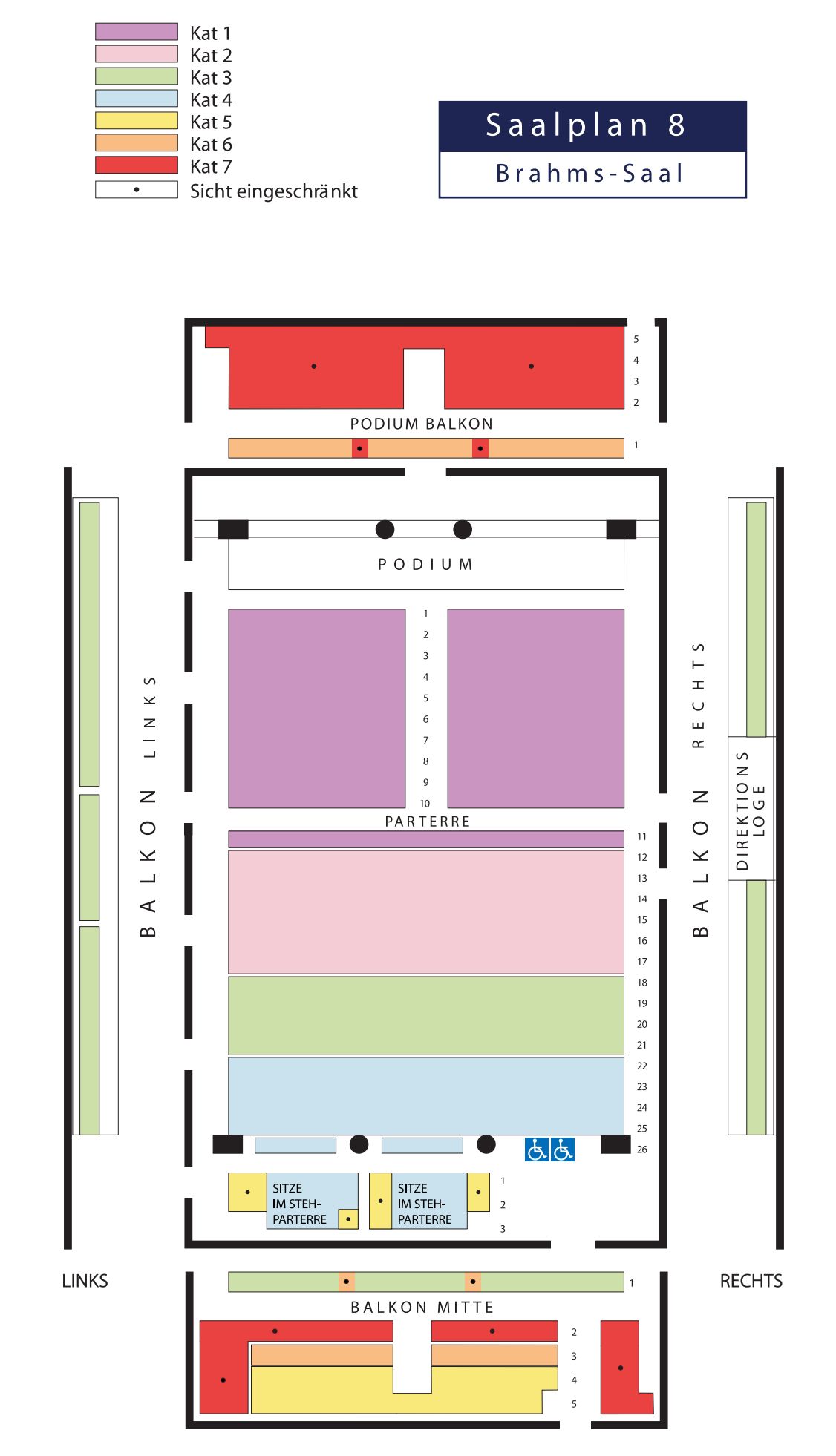
 Musikverein Brahms Hall
 Sat 19 Sep 2026 - Mon 07 Jun 2027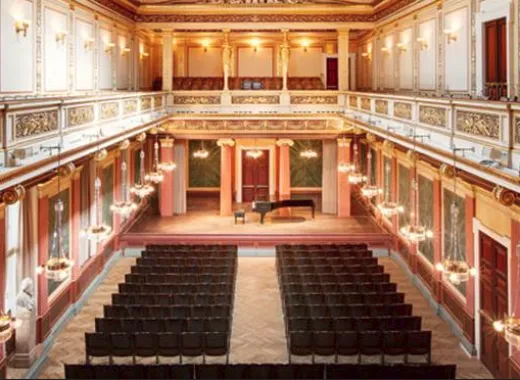




 RM EUROPA TICKET GmbH
 Call now
 Book now